Moving a Pet Interstate in Australia: The Ultimate Guide
Key Takeaways
-
Health and Vaccination Timelines: Your pet requires an up-to-date C5 (dogs) or F3 (cats) vaccination and a veterinary "fit-to-fly" certificate completed within 14 days of travel.
-
Airline and Crate Compliance: If flying, your pet must travel in a rigid, IATA (International Air Transport Association) compliant crate that provides enough room for the animal to stand, turn around, and lie down comfortably.
-
State Biosecurity Rules: Moving to states with strict biosecurity involves specific microchip registry updates, and certain pets may be entirely prohibited (e.g., rabbits in Queensland).
-
Dedicated Pet Consultants: Partnering with a professional mover who utilises dedicated animal travel consultants ensures direct flights and access to 24/7 support.
Moving a pet interstate in Australia requires far more than just buying a travel carrier and booking a ticket. Relocating a dog, cat, or exotic pet across state lines involves navigating complex airline regulations, state-specific biosecurity laws, and strict animal welfare guidelines. Whether you are relocating your family from Sydney to Perth or moving from Brisbane to Melbourne, understanding the logistics of interstate pet transport Australia is the key to ensuring your furry family member arrives safe, calm, and healthy.
What are the Pre-Travel Health Checks and Vaccinations for Interstate Pet Transport?
A pre-travel veterinary health check ensures your pet is physically fit to withstand the environmental and physiological stress of cross-country transport, and is a mandatory requirement for domestic airlines and professional transport services.
Before moving dogs interstate or relocating cats, you must establish a clear veterinary timeline. Airlines operate under strict liability and welfare codes. They will refuse boarding if an animal appears visibly ill, highly aggressive, or heavily pregnant.
Essential Veterinary Checklists
-
Vaccination Status: Dogs require an up-to-date C5 vaccination (distemper, hepatitis, parvovirus, parainfluenza, and bordetella/kennel cough). Cats require an F3 vaccination (feline enteritis and feline respiratory disease). These must generally be administered prior to travel.
-
Fit-to-Fly Certificates: If your pet is a senior, is a snub-nosed breed, or has a pre-existing medical condition, airlines demand a signed veterinary certificate declaring the animal fit for travel.
-
Parasite Prevention: Ensure your pet is fully treated for fleas, ticks, and intestinal worms before transit, as many states strictly monitor the cross-border movement of parasites.
How do you choose the right carrier or crate for moving a pet interstate?
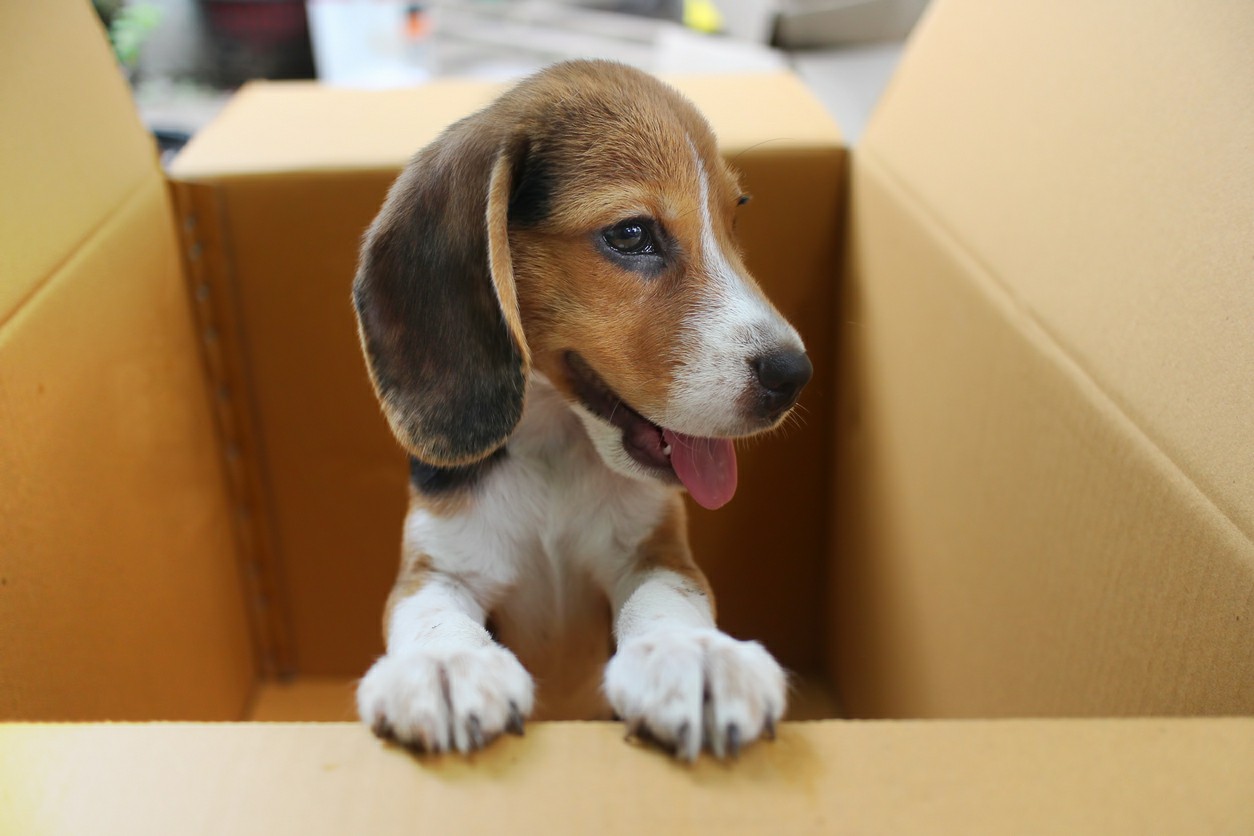
Choosing the right carrier for relocating your family pet means selecting an airline-approved, rigid plastic or fibreglass crate that complies with IATA Live Animal Regulations, ensuring structural safety and adequate ventilation during transit.
When transporting cats across state lines or moving dogs, the crate is your pet's only physical protection. Soft-sided carriers, wire cages, and collapsible crates are strictly prohibited in the cargo hold of all Australian domestic airlines.
Crate Sizing and Requirements
-
The Space Rule: The crate must be large enough for your pet to stand up without their head or ears touching the roof, turn around completely, and lie down in a natural position.
-
Structural Integrity: The crate must have a secure, spring-loaded metal door. Plastic doors or top-opening doors are not permitted for cargo travel.
-
Ventilation: It must feature ventilation holes on at least three sides.
-
Water Access: A secure water funnel or bowl must be attached to the inside of the door so handlers can top up water without opening the crate.
Direct Flight Logistics vs. Excess Baggage
Choosing how your pet flies depends on your personal travel itinerary; pets can often be allocated as excess baggage on the same domestic flight as you, or booked as separate cargo on the most direct flight available.
When evaluating the logistics of moving your pet, securing the most direct, efficient flight path is the priority to minimise the time they spend away from you.
Understanding Flight Options
|
Transport Method
|
How it Works
|
Best Suited For
|
|
Excess Baggage
|
Your pet travels on the exact same domestic flight as you. You drop them off at a designated terminal before you board and collect them upon landing.
|
Pet owners travelling on the same day who want to collect their pet immediately upon arrival.
|
|
Direct Cargo Flights
|
Dedicated animal care teams book your pet on the most direct commercial flight possible to avoid layovers and reduce stress.
|
Pets travelling solo, larger dog breeds requiring oversized crates, or owners with different travel itineraries.
|
How do you manage sedation, hydration, and stress during a pet's journey?
Managing a pet’s stress during transit involves crate acclimatisation, familiar scents, and strategic hydration, as RSPCA guidelines and airline policies strictly prohibit the use of chemical sedatives or tranquillisers.
It is a common misconception that you should sedate a pet before a flight. Sedation lowers an animal's blood pressure and removes their ability to naturally regulate their body temperature or brace themselves during turbulence. Airlines will outright refuse to transport an animal that appears sedated.
In our experience managing professional animal transport, we have seen that the most successful, low-stress moves begin weeks before travel day. Our data indicates that pets who are given time to acclimatise to their airline-approved travel crate in the living room (using it as a normal bed with familiar blankets) show significantly lower cortisol levels on travel day compared to pets who see the crate for the first time at the airport.
Safe Stress-Reduction Techniques
-
Crate Acclimatisation: Leave the open crate in your home weeks before the move. Feed your pet inside it to build positive associations.
-
Chew Toys: Leaving a safe, familiar chew toy in the carrier can help distract your pet and assist with ear popping during altitude changes.
-
Hydration, Not Heavy Feeding: Feed a light meal hours before transit to prevent motion sickness. Ensure the crate's hydration funnel is filled with water.
What are the state-by-state biosecurity, quarantine, and microchip regulations for pets?
State-by-state biosecurity regulations require pet owners to verify that their specific animal is permitted in the destination state and to update national microchip registries accordingly.
Unlike moving internationally, moving a pet within mainland Australia does not require a lengthy quarantine period. However, moving into different ecological zones comes with strict legal requirements.
Critical State Regulations to Know
-
Prohibited Pests: Certain animals are considered environmental pests in specific states and are strictly prohibited from crossing the border. For example, under rules enforced by the Queensland Department of Agriculture and Fisheries, it is illegal to keep or transport rabbits into Queensland.
-
Tasmania (TAS): Dogs entering Tasmania generally require specific parasite treatments prior to entry.
-
Microchip Registries: Microchips are mandatory across Australia. When moving, you must update your details on a national database and register your pet with your new local council as soon as you settle into your new home.
Why Chess Moving is Your Trusted Partner for Moving a Pet Interstate

Chess Moving is your trusted partner for moving a pet interstate because we integrate premium pet relocation services seamlessly into your overall household move, in partnership with Jetpets, Australia's leading pet travel experts.
Coordinating your family's flights, the moving truck, and the safe transport of your pets can become an overwhelming logistical puzzle. By choosing a full-service provider, you guarantee that every aspect of your relocation is synchronised and stress-free.
The Chess Moving Pet Transport Advantage
-
The Jetpets Partnership: Through our alliance with Jetpets, you gain access to dedicated Pet Travel Consultants, experienced animal handlers, and veterinary support to ensure your pet has a safe and comfortable trip.
-
Flexible Transport Options: We offer tailored solutions including full door-to-door service, depot-to-depot, or airport-to-airport options when moving interstate.
-
Official Animal Transport Vehicles: Our service includes collection of your pet in an official, climate-controlled animal transport vehicle.
-
24/7 Support: You receive access to a dedicated 24/7 customer service hotline for expert pet travel advice and peace of mind at any hour.
Don't leave your best friend's travel arrangements to chance. Contact Chess Moving today to speak with an interstate moving consultant and request a tailored quote for your entire family, pets included!
About the Author: The Chess Moving Team
The Chess Moving Editorial Team brings over a century of expertise in Australian domestic, corporate, and international relocations. Operating from a nationwide network of offices in every major capital city, our team partners with Jetpets to provide safe, compliant, and stress-free pet relocation services for families moving across the country.