5 Practical Tips for Moving Into a Smaller House
Key Takeaways
-
- Strategic Planning: Measuring your new floor plan against your existing furniture is the critical first step to avoid overcrowding.
- Ruthless Decluttering: Measuring your new floor plan against your existing furniture is the critical first step to avoid overcrowding.
- Smart Disposition: Selling valuable items and donating usable goods can offset moving expenses and benefit the community.
- Dual-Function Living: Investing in multi-purpose furniture maximises functionality without sacrificing valuable floor space.
The decision to downsize is often the start of an exciting new chapter, whether you are emptying an empty nest, seeking a more manageable lifestyle, or moving closer to the city. However, moving into a smaller house requires a shift in mindset from "accumulation" to "curation." It is not just about moving your belongings; it is about fitting your life into a more concise footprint.
Many Australians find the process of downsizing overwhelming because it forces them to confront years of collected possessions. Without a clear plan, the risk of cluttering the new home immediately upon arrival is high. Partnering with experienced professionals for your furniture removal services ensures that your move to a smaller home is organised, efficient, and stress-free from day one. By addressing the logistics early, you turn a potential headache into a refreshing fresh start.
Planning Your Space Before Moving Into a Smaller House
Planning your space involves accurately measuring your new floor plan against your current furniture to ensure a functional layout before physical relocation. Skipping this step often results in the frustration of moving heavy furniture items only to discover they block doorways or walkways in the new property.
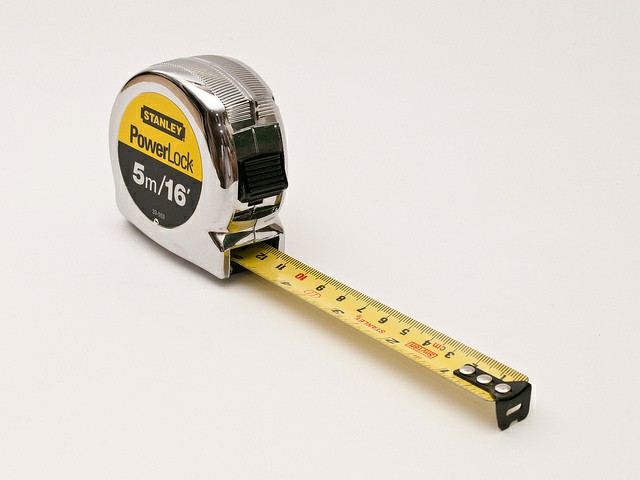
Space planning for small homes begins with obtaining a detailed floor plan of your new residence. If possible, visit the property with a tape measure to verify dimensions, paying close attention to "dead space" like radiator placements, low windows, or awkward corners. Once you have these measurements, measure your existing furniture. You may love your oversized modular sofa, but if it consumes 70% of your new living room, it will make the space feel cramped and uninviting. Be ruthless with these measurements—a clearance of at least 75cm is generally required for comfortable walkways between furniture.
In our experience with downsizing moves across Australia, we have seen that clients who use a digital room planner or simple graph paper to map out their furniture placement beforehand report 50% less stress on moving day. This preparation allows you to make difficult decisions about what stays and what goes before the local removalists arrive. If a piece doesn't fit on paper, it won't fit in the room. This is the time to be realistic about your lifestyle adjustment; a smaller home often means fewer formal living areas, so prioritise furniture that supports your daily routine.
-
Pro Tip: Use painter's tape to mark out the dimensions of your furniture on the floor of your current home. This gives you a physical sense of how much space a piece truly occupies, helping you visualize if it will be too bulky for your new, smaller rooms.
Decluttering Items You No Longer Need Before the Move
Decluttering is the systematic process of sorting belongings into "keep," "toss," and "donate" categories to significantly reduce volume for a smaller footprint. When moving into a smaller house, every item you pack effectively "pays rent" in your new space, so you must ensure it earns its keep.
Start decluttering before a move as early as possible—ideally 6 to 8 weeks out. A practical approach is the "One Year Rule": if you haven't used, worn, or looked at an item in the past 12 months, it is a prime candidate for removal. Go through your home room by room, starting with storage areas like the garage, shed, or attic, where "deferred decisions" often pile up. These areas are usually packed with items that have little impact on your daily life but take up massive amounts of volume in a moving truck.
This process is not just about physical space; it is about mental clarity. Minimalist living principles suggest that owning fewer possessions can lead to a lighter, more organized life. Be honest about sentimental items. While it is important to keep cherished memories, you do not need to keep every drawing your child made in kindergarten. Consider digitizing photos and documents to save physical space. By reducing the volume of goods, you also lower your moving costs, making the entire relocation planning process more economical and efficient.
-
The "Box" Method: If you are unsure about certain items, pack them in a sealed box. If you haven't opened that box six months after moving in, you likely don't need its contents. This safety net makes parting with items less scary.
Reducing Duplicates and Non-Essentials When Downsizing
Reducing duplicates means identifying multiple items serving the same function—such as kitchenware or linens—and keeping only the best quality version. Over years of living in a larger home, it is common to inadvertently collect three toasters, five sets of sheets for one bed, or a drawer full of mismatched Tupperware.
When downsizing when moving house, the kitchen and linen closet are the biggest culprits for redundancy. In a smaller kitchen, cupboard space is premium real estate. You likely won't have the storage for a bread maker you use once a year or a second set of "just in case" crockery. Conduct a strict household inventory. Keep your favourite chef's knife and donate the block of dull ones. Keep two sets of high-quality sheets per bed and donate the worn-out spares to animal shelters. The goal is to keep only what is functional and brings you joy.
This step requires a shift in thinking from "I might need this someday" to "Does this serve me now?". Non-essentials also include decorative items that filled shelves in a larger house but will create visual clutter in a smaller one. Tips for downsizing often focus on large furniture, but it is these smaller, accumulated volumes that often cause the most headache during unpacking. By strictly limiting duplicates, you streamline your daily routines and ensure your new storage spaces are functional rather than bursting at the seams.
-
Category Sorting: Instead of decluttering by room, try decluttering by category (e.g., gather all towels from every bathroom into one pile). Seeing the sheer volume of a single category often makes it much easier to let go of the excess.
Selling, Donating, or Storing Items You Won’t Take With You
Dispositioning unwanted items requires choosing the right channel, whether it's selling valuable goods online, donating to charity, or utilizing secure storage for sentimental keepsakes. Once you have identified what isn't coming with you, you need a plan for removal so these items don't accidentally end up in a moving box.
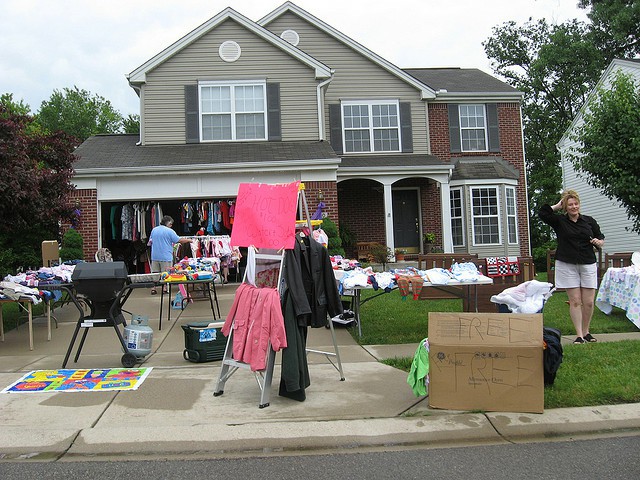
Selling items before moving is a great way to recoup some of the costs associated with relocation. Platforms like Facebook Marketplace, Gumtree, or a traditional garage sale are excellent for furniture, tools, and appliances that are in good condition but won't fit your new home. For higher-value antiques or collectibles, consider contacting an auction house. However, be mindful of your timeline; selling takes time and effort. If your move date is approaching fast, donation might be the better option.
Donation centres across Australia are often grateful for quality household goods. Organisations like The Salvation Army or Vinnies offer collection services for larger furniture items, which can save you a trip to the tip. Always call ahead to check what they are currently accepting. For items you strictly cannot part with but simply don't have room for yet—perhaps heirlooms you intend to pass down to children later—consider professional storage facilities. Chess Moving offers secure furniture storage that acts as an extension of your home. This allows you to keep sentimental items safe without cluttering your new, smaller living environment.
Choosing Multi-Purpose Furniture for a Smaller Home
Multi-purpose furniture optimises limited square footage by combining functions, such as sofa beds or ottomans with internal storage, to maximise utility in every square metre. When moving into a smaller house, your furniture needs to work harder for you. Static pieces that serve only one purpose can be a liability in a compact floor plan.
Multi-purpose furniture for small homes is the secret weapon of successful downsizing. Instead of a massive coffee table, consider nesting tables that can be spread out when guests arrive and tucked away when not in use. Look for bed frames with built-in drawers underneath to eliminate the need for a bulky chest of drawers. A drop-leaf dining table can serve as a desk during the day and expand for dinner parties at night. This approach to space optimisation allows you to live largely in a smaller footprint.
If you are buying new furniture, measure twice and buy once. Look for "visually light" furniture—pieces with legs rather than solid bases—which allow light to flow underneath and make a room feel more spacious. Vertical storage is also key; tall, shallow bookcases draw the eye up and use wall height rather than floor space. By selecting versatile pieces, you create a flexible home environment that adapts to your needs, proving that how to downsize successfully is about smarter living, not just smaller living.
Make Your Downsizing Move Easier with Chess Moving
Choosing Chess Moving ensures a seamless relocation experience backed by professional packing, secure storage, and decades of Australian moving expertise. We understand that moving into a smaller house is a significant life event that involves complex logistics and emotional decision-making.
Our team provides comprehensive support beyond just lifting boxes. We offer professional packing materials and services to ensure your fragile treasures are protected, and we can assist with secure short-term storage or long-term storage for those items you aren't quite ready to part with yet. To protect your peace of mind during the transition, we also offer comprehensive moving insurance.
As trusted movers Australia-wide, we pride ourselves on delivering a service that is supportive and well-planned. We take the stress out of the physical move so you can focus on settling into your new lifestyle. Don't leave your downsize to chance; trust the experts who understand the nuances of relocating to a smaller home.
Ready to simplify your move? Contact Chess Moving today for a tailored quote and start your downsizing journey with confidence.
About the Author: The Chess Moving Team
Chess Moving is a premier Australian removalist company with locations across the country, specialising in local, interstate, and international relocations. With decades of experience, the Chess Moving team provides secure, professional, and personalised moving solutions, helping thousands of Australian families relocate with confidence and ease.