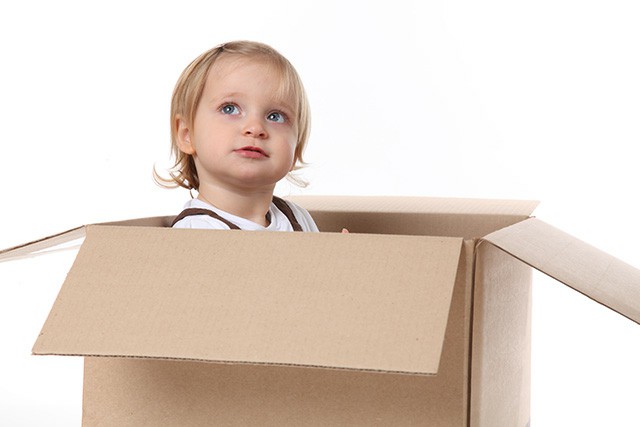
Practical Tips for Moving with Small Children

Key Takeaways
- Emotional Validation: Acknowledging your child's feelings about the move is crucial for reducing anxiety and fostering a positive mindset.
- Routine Maintenance: Keeping sleep and meal schedules consistent provides a sense of security amidst the chaos of packing.
- Strategic Childcare: Arranging help for moving day ensures safety and allows parents to focus on logistics without distraction.
- Professional Support: Engaging experienced movers removes the physical burden, allowing you to prioritize your family's emotional wellbeing.
Moving house is often cited as one of life’s most stressful events, and when you add toddlers or preschoolers to the mix, the complexity increases significantly. Moving with small children requires more than just logistical planning; it demands a strategy that accounts for emotional needs, safety, and the maintenance of daily routines. Children thrive on predictability, so the upheaval of a relocation can be unsettling if not managed with care.
For many Australian families, the key to a successful move lies in preparation and perspective. Rather than viewing the move solely as a task list, successful parents approach it as a family journey that needs to be guided. Partnering with professional moving services early in the process allows you to implement a few practical strategies to turn a potentially chaotic experience into a manageable adventure. This guide outlines seven essential tips to support your family, ensuring that moving house with kids is a positive step forward rather than a source of overwhelming stress.
Preparing Emotionally for Moving with Small Children
Preparing emotionally involves validating your child’s feelings and creating a sense of excitement about the future while acknowledging what is being left behind. Moving with small children often triggers behavioral changes—such as clinginess, regression in toilet training, or tantrums—because they lack the vocabulary to express their anxiety about the unknown. It is vital to start this preparation weeks, not days, before the move.
To support emotional wellbeing, start by framing the move in a positive but realistic light. Helping your little ones get excited about moving can be as simple as reading books about moving house together to normalize the experience. Validate their fears; if they are sad about leaving their bedroom or a friend, listen without immediately trying to "fix" it. This validation builds trust. Simultaneously, create tangible excitement about the new house by involving children in planning the new space, such as picking paint colours or choosing where their bed will go, to give them a sense of ownership.
In our experience helping Australian families relocate, we have seen that children who are allowed to say a proper "goodbye" to their old home settle much faster into their new one. We recommend a simple ritual, like walking through each room to say goodbye and thank the house. This emotional preparation lays the groundwork for a smoother adjustment. As detailed in our guide on preparing your child for a move, mental readiness is just as important as the physical packing
Asking for Help and Building a Support System

Asking for help means recognizing that you cannot effectively manage a full house move and supervise active toddlers simultaneously. Safety is paramount, and a chaotic environment filled with open boxes, sharp tools, and heavy lifting is hazardous for curious little ones. Childcare support is not a luxury during a move; it is a logistical necessity that protects both your children and your sanity.
On moving day, the best place for small children is often away from the action completely. Arrange for a trusted grandparent, friend, or babysitter to look after them, ideally off-site at a park or a relative's house. If that isn't possible, designate a specific "safe room" in the house where one adult is solely responsible for their supervision. This allows the other adult to direct the movers or finish packing without the constant worry of a child tripping over a box or wandering out an open door.
Don't hesitate to outsource the physical labour as well. Utilizing professional packing materials and services can save you days of time, freeing you up to focus on your children. Building a support system reduces parental wellbeing stress, which directly benefits your kids—if you are calm and supported, they are more likely to feel safe. For parents struggling with the mental load of this change, organisations like Beyond Blue offer excellent resources on managing anxiety during major life transitions.
Keeping Children Occupied and Involved During the Move
Keeping children occupied involves striking a balance between giving them age-appropriate tasks to feel included and providing distractions when you need to focus. While moving house with young children can be distracting, completely excluding them can lead to feelings of powerlessness and confusion.
Involve them in low-stakes decisions to foster a sense of agency. Let them choose the colour of the tape for their toy box or decide which stickers to use to label their items. Give them a special box to pack with their absolute favourite treasures—this gives them a sense of control over their most prized possessions. For toddlers, "helping" might just be putting socks in a box, but this participation is vital for their acceptance of the change. It turns the move from something that is happening to them into something they are doing.
When their "help" becomes counterproductive, have a stash of new activities ready. A new colouring book, a puzzle, or a loaded tablet can provide hours of distraction when you need to focus on the removalists. Family moving tips often overlook the power of novelty; a new toy they haven't seen before can be a lifesaver when the truck is being loaded. By managing their engagement levels, you ensure they feel part of the family relocation team without hindering progress.
Managing Time and Routines While Moving House
Managing time and routines requires adhering to your child's standard schedule for sleep and meals as strictly as possible, despite the disruption of the move. Disrupted sleep schedules are the primary cause of meltdowns during a move. When the physical environment is changing, the temporal environment (time) must remain fixed to provide a sense of security.
Moving with toddlers is infinitely harder if they are overtired or hangry. Plan your packing schedule around their naps, not the other way around. Keep meal times consistent, even if it means ordering pizza on the floor. If you have the flexibility, consider moving during school holidays to avoid adding academic pressure to the adjustment, although maintaining a school term routine can sometimes offer helpful stability by keeping them out of the house during the chaotic packing days.
Household planning should prioritize setting up the children's rooms first in the new house. Getting their bed assembled and familiar sheets on the mattress is more important than unpacking the kitchen. A familiar sleep environment signals safety. By prioritizing their routine, you provide a psychological anchor that helps mitigate child anxiety and fosters resilience.
-
Routine Hack: Keep your child's white noise machine, night light, and favourite blanket in your hand luggage so it is the first thing you can plug in upon arrival. Do not pack these in the moving truck!
Talking to Children About the Move and What to Expect
Talking to children involves using clear, simple, and age-appropriate language to explain what is happening, when it is happening, and why. Moving with children Australia-wide often involves long distances, so explaining the concept of "going away" is crucial to avoid confusion.
Avoid abstract concepts. Instead of saying "we are moving soon," use concrete markers like "after two more sleeps" or "when the big truck comes." Be honest about what will change and what will stay the same. Reassure them that their toys, their bed, and their family are all coming with them. Address specific fears: "Will the dog come?" "Will Santa know where I live?" These questions may seem small to adults but are monumental to a child. The Kids Helpline notes that open communication helps children process change and reduces fear of the unknown.
Parenting during change requires patience. You may need to answer the same questions repeatedly. This repetition helps them process the information. Be vigilant for signs of culture shock if moving internationally or to a very different environment. Open communication reduces fear of the unknown, making the family relocation feel like a shared journey rather than something happening to them.
Make Your Family Move Easier with Chess Moving
Choosing Chess Moving allows you to partner with experienced professionals who understand the unique dynamics of a family relocation. We know that moving with small children requires a level of patience and organisation that goes beyond standard logistics.
Our team provides comprehensive support to lighten your load. Whether you need local removalists for a short hop or interstate removalists for a cross-country journey, we create a custom plan that suits your family's timeline. We can also assist with secure storage facilities for items you don't need immediately, and offer comprehensive moving insurance to protect your peace of mind.
As trusted movers Australia-wide, we pride ourselves on being supportive, calm, and well-planned. We handle the heavy lifting so you can handle the parenting. Don't let the stress of moving overshadow this exciting new chapter for your family.
Ready to plan a stress-free move for your family? Contact Chess Moving today for a tailored quote and expert advice.
About the Author: The Chess Moving Team
Chess Moving is a premier Australian removalist company with locations across the country, specialising in local, interstate, and international relocations. With decades of experience, the Chess Moving team provides secure, professional, and personalised moving solutions, helping thousands of Australian families relocate with confidence and ease.